Frequently Asked Questions
What landscaping services do you offer?
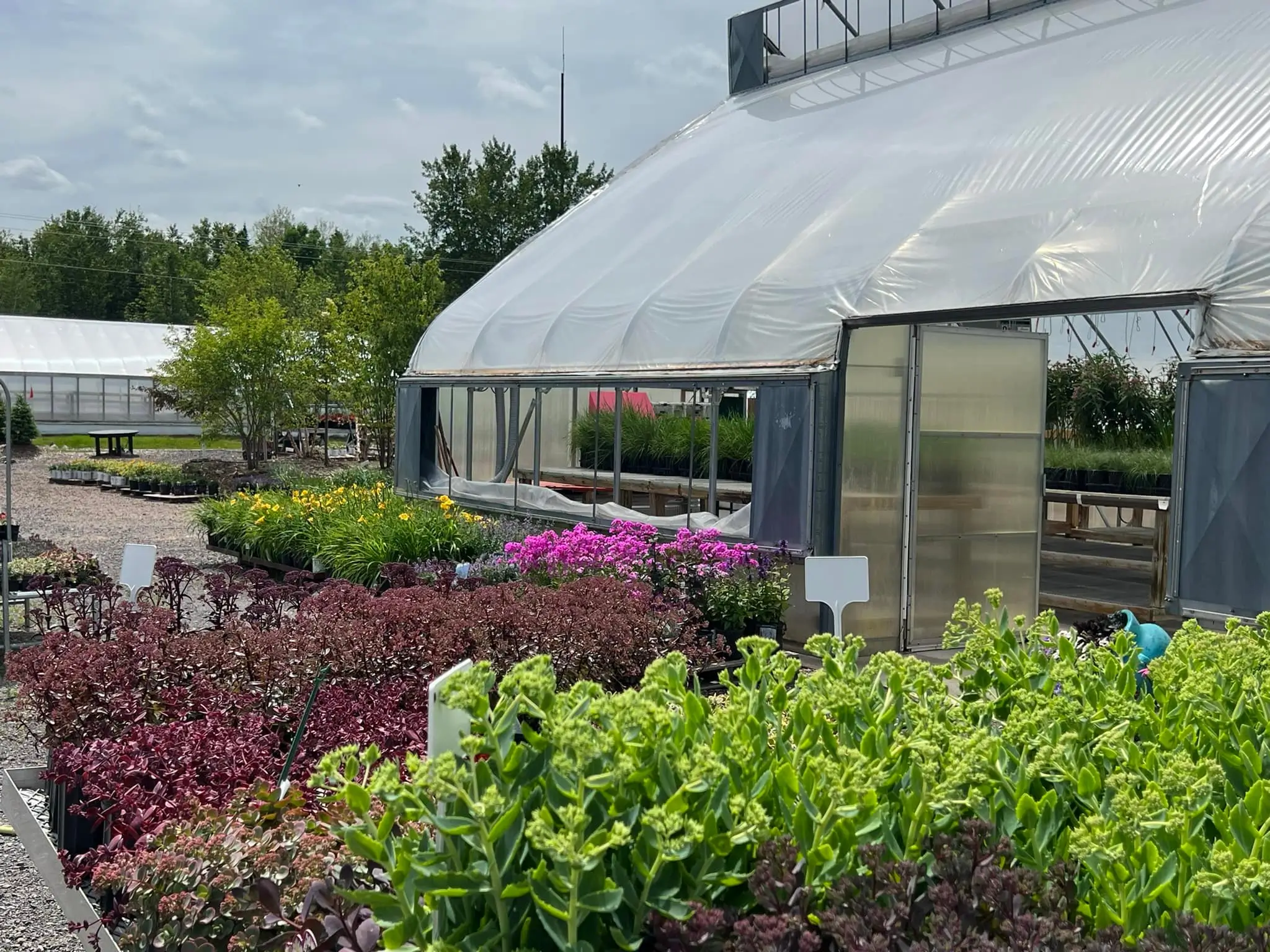
Missinne Greenhouse & Landscaping offers a comprehensive range of landscaping services, including greenhouse plants, landscape design, installation, hardscapes, water features, and ongoing maintenance to enhance your outdoor spaces.
How can I enhance my outdoor space?
Enhancing your outdoor space involves incorporating elements like vibrant greenhouse plants, well-designed hardscapes, and inviting water features. Professional landscaping services can help you create a tailored design that transforms your area into a beautiful and functional retreat.
What types of plants are available for landscaping?
The types of plants available for landscaping include a diverse selection of greenhouse plants, trees, shrubs, and ornamental grasses, all tailored to enhance the beauty and functionality of outdoor spaces.
What landscaping features improve outdoor aesthetics?
Landscaping features that improve outdoor aesthetics include vibrant greenhouse plants, well-placed trees and shrubs, decorative hardscapes, inviting water features, and thoughtful landscape design, all of which create visually appealing and harmonious outdoor spaces.
How do I choose the right plants?
Choosing the right plants involves considering your space's sunlight, soil type, and climate. Additionally, evaluate your maintenance preferences and desired aesthetics to select plants that thrive and enhance your outdoor environment.
What maintenance services do you provide?
The maintenance services we provide include regular lawn care, pruning of trees and shrubs, seasonal clean-ups, mulching, and irrigation system management, ensuring your landscape remains healthy and beautiful year-round.
Can you design a custom landscape plan?
The ability to design a custom landscape plan is one of our specialties. Our team at Missinne Greenhouse & Landscaping works closely with clients to create tailored designs that enhance their outdoor spaces, reflecting their unique preferences and requirements.
What are the benefits of professional landscaping?
The benefits of professional landscaping include enhanced curb appeal, increased property value, and improved outdoor functionality. Expert design and maintenance ensure a beautiful, sustainable outdoor space tailored to your needs, making your environment more enjoyable and inviting.
How do I select plants for my climate?
Selecting plants for your climate involves understanding your local weather conditions, including temperature, humidity, and rainfall. Choose native or climate-adapted species that thrive in your area for the best results.
What hardscape options are available for landscaping?
The hardscape options available for landscaping include patios, walkways, retaining walls, decks, and water features, all designed to enhance the functionality and aesthetics of outdoor spaces.
How can I incorporate water features in my yard?
Incorporating water features in your yard can enhance its beauty and tranquility. Consider options like ponds, fountains, or waterfalls, and integrate them with surrounding plants and hardscapes for a harmonious outdoor space.
What is the process for landscape installation?
The process for landscape installation involves several key steps. First, we assess your outdoor space and discuss your vision. Next, we create a detailed design, followed by site preparation, installation of plants and hardscapes, and finally, ongoing maintenance to ensure your landscape thrives.
How often should I maintain my landscape?
The frequency of landscape maintenance depends on various factors, including plant types and seasonal changes. Generally, regular maintenance should occur every few weeks during the growing season to keep your landscape healthy and attractive.
What types of trees are suitable for landscaping?
The types of trees suitable for landscaping include deciduous trees like oaks and maples, evergreen trees such as pines and spruces, and ornamental trees like dogwoods and cherry blossoms, each enhancing outdoor spaces with beauty and functionality.
How can I create a sustainable garden?
Creating a sustainable garden involves using native plants, implementing efficient watering techniques, composting organic waste, and minimizing chemical use. These practices promote biodiversity and conserve resources, resulting in a healthier ecosystem.
What are the latest trends in landscaping design?
The latest trends in landscaping design include sustainable practices, native plant integration, outdoor living spaces, and the use of smart technology for maintenance. These elements create eco-friendly, functional, and aesthetically pleasing outdoor environments.
How do I prepare my yard for planting?
Preparing your yard for planting involves clearing the area of weeds and debris, testing and amending the soil for nutrients, and ensuring proper drainage. Lastly, plan your layout to optimize sunlight and space for your plants.
What is the cost of landscaping services?
The cost of landscaping services varies based on factors like project size, design complexity, and materials used. For a detailed estimate tailored to your specific needs, we recommend contacting Missinne Greenhouse & Landscaping directly.
How can I improve soil quality for plants?
Improving soil quality for plants involves enhancing its structure and nutrient content. You can achieve this by adding organic matter like compost, ensuring proper drainage, and regularly testing pH levels to maintain an optimal environment for plant growth.
What are the best practices for garden maintenance?
The best practices for garden maintenance include regular watering, proper pruning, mulching to retain moisture, and timely weeding. Additionally, monitoring for pests and diseases, along with seasonal clean-up, ensures a healthy and thriving garden.
How do I choose the right mulch for landscaping?
Choosing the right mulch for landscaping involves considering factors like the type of plants, desired aesthetics, and functionality. Organic mulches enrich the soil, while inorganic options provide durability; select based on your landscaping goals.
What plants thrive in shaded areas?
Plants that thrive in shaded areas include ferns, hostas, astilbes, and certain varieties of ivy. These plants are well-suited for low-light conditions and can add beauty and texture to shaded landscapes.
How can I attract wildlife to my garden?
Attracting wildlife to your garden involves creating a welcoming habitat. Plant native flowers, shrubs, and trees, provide water sources, and incorporate shelter like birdhouses or log piles to encourage a variety of creatures to thrive.
What are the advantages of using native plants?
The advantages of using native plants include their adaptability to local climates, lower maintenance needs, and support for local wildlife. They promote biodiversity and reduce the need for chemical fertilizers and pesticides, making them an eco-friendly choice for landscaping.
How do I design a low-maintenance landscape?
Designing a low-maintenance landscape involves selecting native plants, incorporating drought-resistant species, using mulch to suppress weeds, and creating hardscapes like pathways and patios that reduce lawn area.
What seasonal changes should I consider for landscaping?
Seasonal changes to consider for landscaping include selecting appropriate plants for each season, adjusting watering schedules, and preparing for winter by protecting sensitive plants and ensuring proper drainage to prevent damage.
How can I enhance curb appeal with landscaping?
Enhancing curb appeal with landscaping involves strategically selecting and placing plants, trees, and hardscapes. Incorporating colorful flowers, well-maintained lawns, and inviting pathways can create an attractive and welcoming outdoor space.
What landscaping services are best for small yards?
The best landscaping services for small yards include efficient space planning, vertical gardens, and the use of compact plants. Incorporating hardscapes like patios and pathways can enhance functionality while maintaining an open feel.
How do I create a cohesive landscape design?
Creating a cohesive landscape design involves selecting complementary plants, materials, and features that harmonize with each other and the surrounding environment. Focus on a unified color palette and consistent styles to enhance the overall aesthetic.
What are the benefits of using professional landscaping services?
The benefits of using professional landscaping services include expert design and installation, access to quality plants and materials, enhanced property value, and ongoing maintenance, all of which contribute to creating beautiful and functional outdoor spaces.